Overview
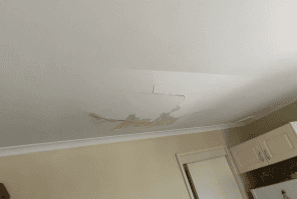
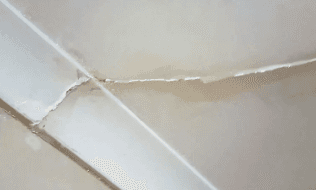
Spotting the Slow Damage That Can Lead to Collapse Some of the most dangerous water damage happens slowly — over months or even years. Long-term water ingress often goes unnoticed until the signs appear inside your home, usually in the form of cracking plaster or stained ceilings and walls. What looks like an old water mark might be hiding rot, mould, or corroded fixings inside your roof or wall cavity. How to identify long-term water damage: Yellow-brown staining in corners of ceilings or walls Hairline cracking that gets worse over time Bubbling or peeling paint near roof joins or skylights Persistent damp smell despite dry weather Why this kind of damage matters: Unlike sudden storm events, long-term leaks weaken structures over time. The moisture can: Soften timber framing Break down plasterboard strength Corrode electrical cables and fittings Lead to hazardous mould growth Our make safe process for long-term ingress includes: Moisture detection and thermal imaging Immediate removal of unstable surfaces Installation of drying equipment or dehumidifiers Roof leak tracing and sealing Temporary roof coverings if required Long-term doesn’t mean low risk — it just means slower damage with the same devastating potential. Act early.