Overview
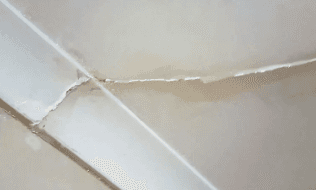
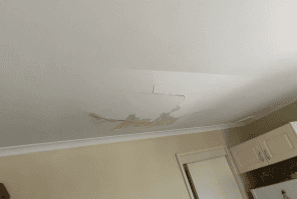
Know the Warning Signs Before It Falls A sagging or stained ceiling may seem like a minor cosmetic issue — until it suddenly gives way. Plasterboard ceilings, especially when affected by water or age, can become unstable and collapse without much warning. We’re often called in when homeowners notice subtle changes — sometimes just in time. In this blog, we explain how to spot ceiling risk early. Key warning signs of an unsafe plasterboard ceiling: Visible sagging between joists or around fittings Cracks forming in straight lines or cross patterns Staining that spreads or darkens after rain Soft or spongy sections when lightly pressed Noises like creaking or cracking when the ceiling cools These symptoms are especially dangerous in older homes or those affected by recent storms or leaks. Wet plasterboard can weigh 5–10 times more than normal — creating a serious safety hazard. Our emergency ceiling response includes: Isolating power to affected areas Removal of heavy or soaked plasterboard Structural bracing if collapse risk is high Moisture testing and drying plans Roof assessments and temporary repairs If you’re seeing signs of distress in your ceiling, don’t ignore it. We’re here to help before things fall apart.